Designing for Nashik, not a generic Indian market
"The Indian market" isn't a design brief. It's an excuse to skip the hard part.
"The Indian market" is not a design brief. It's a category on a slide deck, and slide decks don't need to find a temple's opening hours or figure out which ghat has parking during Kumbh. Most products that claim to serve "Indian users" are actually avoiding the one decision that matters: deciding who, specifically, they're for. We think that avoidance is a design failure, not a growth strategy.
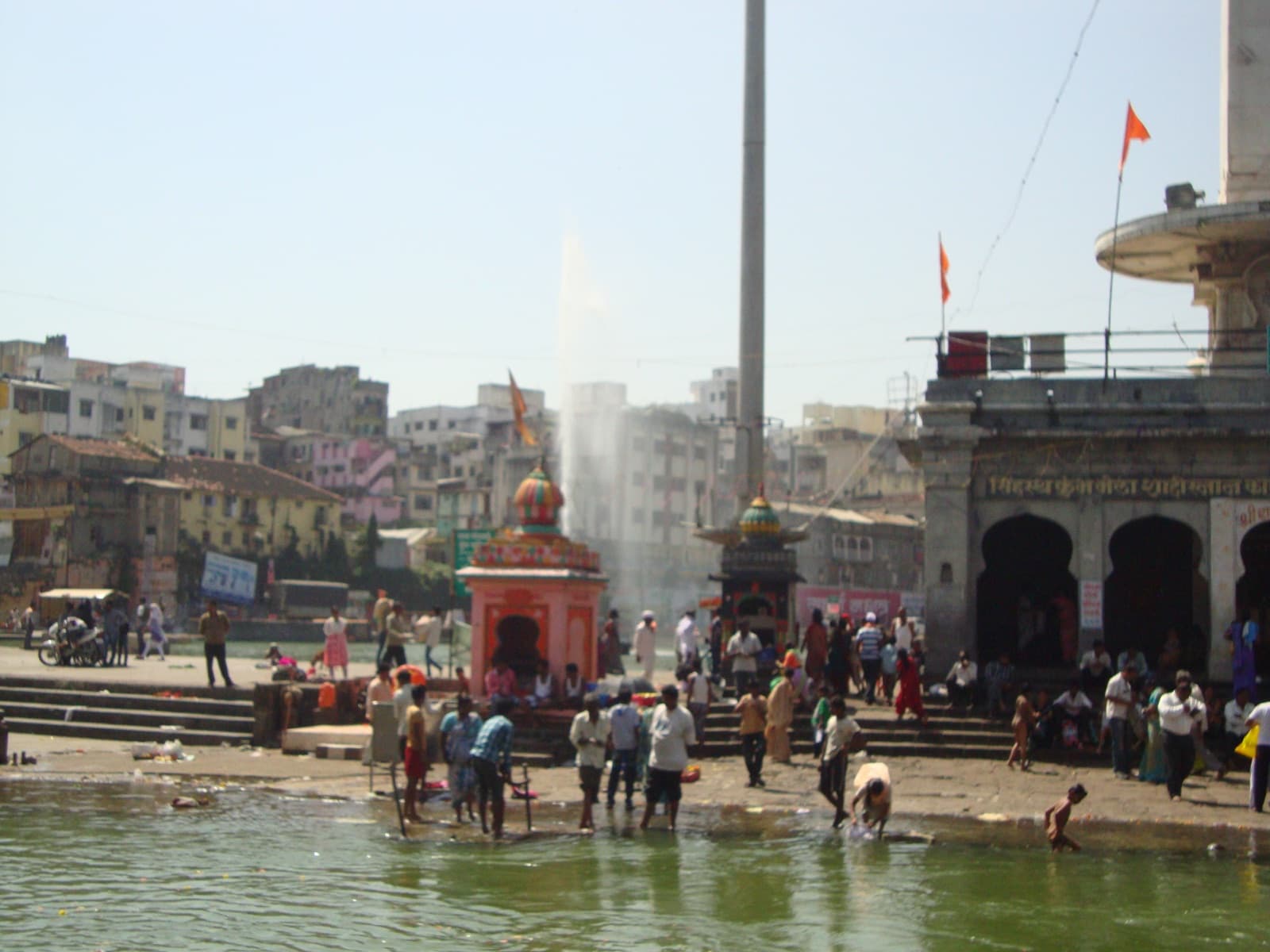
We built Trinetra for one city, on purpose. Most guides to Nashik are either generic tourism content written for no one in particular, or hyperlocal knowledge that lives only in the heads of residents and never makes it online. Neither is good enough. So we designed for the actual people we found ourselves talking to: pilgrims with a few free hours, shopkeepers who'd given the same directions for decades, residents who hadn't seen half their own city either. Not "users." Those people.
That distinction isn't a tone choice, it's an architecture choice. A generic-market product optimizes for broad appeal, which in practice means it defers every hard decision until the data tells it what to do, if it ever does. A place-specific product doesn't have that luxury and doesn't need it: it already knows who's asking and what they need in that exact moment, so it can be opinionated instead of exhaustive. A short, honest list beats a complete one nobody trusts.
Completeness is what you reach for when you don't know your user; specificity is what you build when you do.
This is why we think "hyperlocal" gets undersold as a smaller ambition than "national scale." It isn't smaller. It's a different bet, and it's the harder one to hedge on, because you can't paper over not knowing your user with a bigger total addressable market slide. We'd rather be the definitive guide to one city than a mediocre guide to every city, and we think most teams chasing "the Indian market" would build better products if they admitted the same thing. The same principle now shapes how we scope client work: we ask who the actual person is before we ask how big the market is, and if a client can't answer the first question, the second one doesn't matter yet.
Related reading
Blog · Businesses · Founders
How we think about pricing a project
We don't publish a price list, and we think studios that do are usually selling you a template, not a solution.
Blog · Businesses · Founders
What a good studio engagement actually looks like
Most studio engagements fail quietly, in the gap between what was promised and what was actually communicated. Here's how we try not to.
Blog · Founders
What 'ship and tend' really means after launch
Launch day is the easiest part of the process to get right and the easiest one to mistake for the finish line.